 UCAS Oxbridge & medicine
 DAAD EPOS
 Fulbright Scholar
 Stipendium Hungaricum
 Sweden autumn 2027
 Europe
Study in Italy from Pakistan
Low tuition and regional scholarships based on family income.

Intakes
September / October

Visa
National
Quick snapshot
Studying in Italy, in 30 seconds
- IntakesSeptember / OctoberDetails
 Per year, in rupeesRs 27 lakh – Rs 53 lakhDetails
 Tuition€500 – €4,000 / year at public universitiesDetails
 Living costs€700 – €1,100 / monthDetails
- VisaNational (D) study visa · ModerateDetails
 Work rightsPart-time work allowed
 EnglishIELTS for English-taught programmes
 Universities31 profiled, Tier 1 firstOpen
 Scholarships8 fully funded options trackedDetails
Quick answer
Pakistani students can study in Italy on a National (D) study visa after receiving the Pre-enrolment and admission letter. Main intakes are September / October. Expect tuition of roughly €500 – €4,000 / year at public universities and living costs of €700 – €1,100 / month. Work rights: part-time work allowed. English: IELTS for English-taught programmes.
Reviewed by the TeamOnline counselling team · Updated October 2026

Why Pakistani students choose Italy
Italian public universities have modest fees, and regional scholarships can cover tuition, a meal plan and a living allowance for students who qualify on family income. Pre-enrolment and timing are critical.
Income-based regional scholarships Low public tuitionEnglish-taught degrees
 Schengen travel
Popular courses
What Pakistani students most often study here.

Where you’ll study in Italy
Student cities and the universities we know best.
Student cities



Counsellor’s tip
Timing is everything. Pre-enrolment on Universitaly and regional scholarship applications have fixed windows in spring and summer, and income documents must be translated and legalised in time.
Work and jobs: Part-time jobs are fewer than in northern Europe. Design and engineering graduates have the best prospects.
Universities are listed for orientation only. TeamOnline shortlists from many institutions based on your profile.

How hard is it to study in Italy?
Our assessment for Pakistani students, from the files we handle.
Getting in
Accessible
Public universities admit on grades and documents; some need entrance tests.
Visa
Moderate
Embassy appointments and document legalisation take time.
Cost
Very low
Very low public tuition; income-based fee waivers and regional grants.
Work rights
Limited
Part-time work allowed; job-search period after graduating.
Undergraduate applications
Apply to the university, then pre-enrol on Universitaly. Many courses need a test (e.g. medicine).
 Master’s & PhD applications
Apply on each university’s portal (deadlines often January–April), then pre-enrol on Universitaly.
What it costs
Indicative figures. Your counsellor confirms current numbers for your course.
One year, tuition + living, in rupees
Rs 27 lakh – Rs 53 lakh
Rough estimate at about Rs 280 per US dollar. Scholarships can bring this to zero.
| Tuition | €500 – €4,000 / year at public universities |
|---|---|
| Living costs | €700 – €1,100 / month |
| Funds to show for the visa | Tuition still owed + living costs for the required period |
| Other costs | Visa fee, health cover or surcharge, flights, deposit |
Italy National (D) study visa: step by step
Moderate: Embassy appointments and document legalisation take time.
- 1AdmissionConditional or final offer from the university.
- 2Universitaly pre-enrolmentSubmitted online, then forwarded to the embassy.
- 3DocumentsLegalised transcripts, DoV or CIMEA statement if asked, funds, accommodation.
- 4Study visa (D)Embassy in Islamabad or consulate in Karachi.
- 5Permesso di soggiornoApply within eight days of arrival.
 Watch out: Regional DSU grants depend on income documents that need translation and legalisation; start in spring.
Scholarships for Italy
Erasmus Mundus Joint Master’s · Master’s
Fully funded · Mostly November–February.
Erasmus+ International Credit Mobility · Undergraduate · Master’s · PhD
Fully funded · Through your home university.
Swiss Government Excellence Scholarships · PhD · Postdoc
Fully funded · Usually autumn to December.
ETH Excellence Scholarship & Opportunity Programme · Master’s
Fully funded · With your ETH application.
“la Caixa” INPhINIT Doctoral Fellowships · PhD
Fully funded · Usually autumn.
Invest Your Talent in Italy · Master’s
Fully funded · Usually spring.
Regional DSU scholarships (Lazio DiSCo, ER.GO, EDISU, DSU Toscana, ESU) · Undergraduate · Master’s
Fully funded · Usually summer, after admission.
Padua International Excellence Scholarship · Undergraduate · Master’s
Fully funded · Usually spring.
Deadlines for Italy
Full timeline → “la Caixa” INPhINIT Doctoral FellowshipsUsually November · scholarship~53 days
- Swiss Government Excellence ScholarshipsUsually December · scholarship~84 days
- Erasmus Mundus Joint Master’sUsually February · scholarship~143 days
- Italian Government (MAECI) ScholarshipsUsually April · scholarship~204 days
- Invest Your Talent in ItalyUsually April · scholarship~204 days
- Padua International Excellence ScholarshipUsually April · scholarship~204 days

Studying in Italy: FAQs
01Can Pakistani students study in Italy?
Yes. Pakistani students apply to universities in Italy and then for a National (D) study visa, which is built on the Pre-enrolment and admission letter. TeamOnline handles the applications and the visa file.
02When are the intakes in Italy?
The main intakes are September / October. Start preparing 8 to 12 months before your intake.
03How much does it cost to study in Italy?
Tuition is roughly €500 – €4,000 / year at public universities, and living costs are roughly €700 – €1,100 / month. These are indicative figures; your counsellor confirms current numbers for your course.
04Can I work while studying in Italy?
Part-time work allowed.
05Do I need IELTS to study in Italy?
IELTS for English-taught programmes. Requirements vary by university and course.
06Is it hard to get into universities in Italy?
Accessible. Public universities admit on grades and documents; some need entrance tests.
07Is the National (D) study visa hard to get from Pakistan?
Moderate. Embassy appointments and document legalisation take time. Watch out: Regional DSU grants depend on income documents that need translation and legalisation; start in spring.
08How do I apply to a master’s in Italy?
Apply on each university’s portal (deadlines often January–April), then pre-enrol on Universitaly.
09Which universities in Italy do Pakistani students apply to?
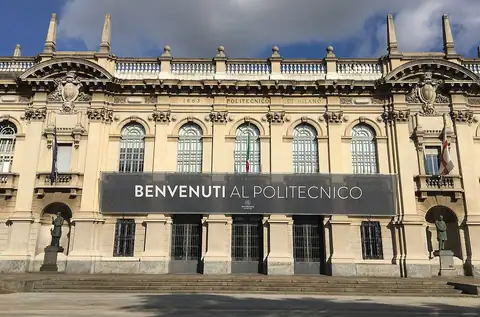
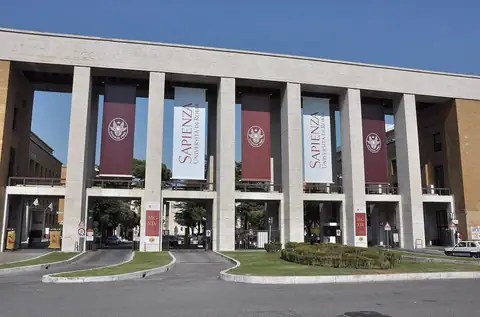
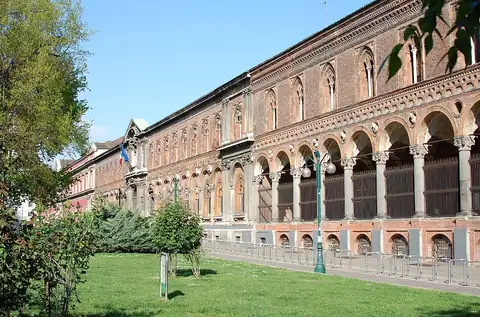
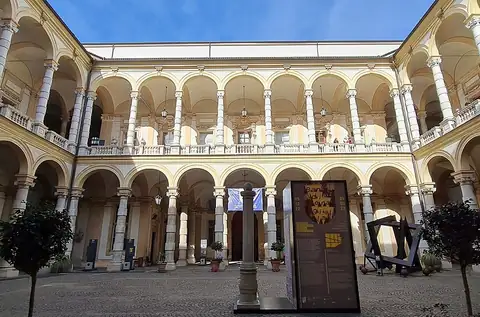
Well-known options include Politecnico di Milano, University of Bologna, Sapienza University of Rome, Politecnico di Torino. The right shortlist depends on your grades, budget and course, and TeamOnline builds one for your profile.
10What are the best cities for students in Italy?
Milan, Rome, Turin, Bologna are popular with international students. Part-time jobs are fewer than in northern Europe. Design and engineering graduates have the best prospects.
Best Universities In Italy
Tier-1 first. Every profile has costs, how to apply and the scholarships that fund you.

How We Get You To Italy
One counsellor from your first question to your flight.
 01
01Honest shortlist
Universities and scholarships you can realistically win, not the ones that pay agents most.
 02
02Applications that stand out
SOPs, CVs and references shaped with you, then checked line by line.
03Visa file done right
Funds, documents and interview practice for your country’s rules.
 04
04Ready to fly
Accommodation, travel and pre-departure briefing so you land prepared.


Next step
Ready to apply to Italy?
Book a free profile assessment with a counsellor.